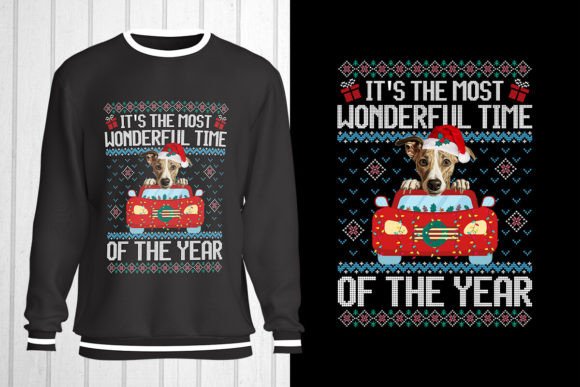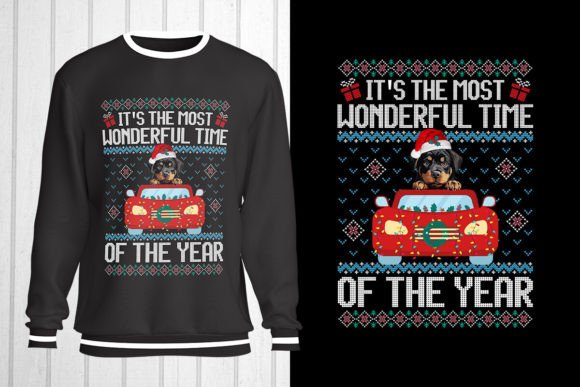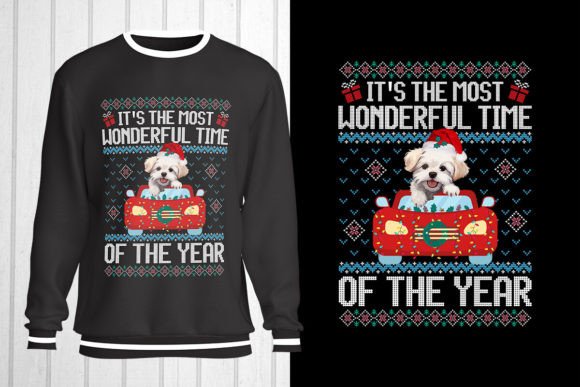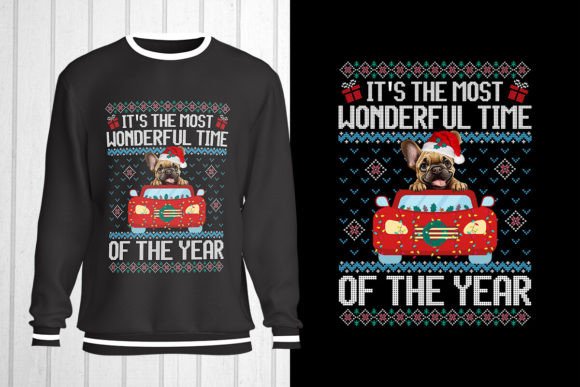
Doberman Dog Christmas Ugly Sweater Review
As someone who has spent years stitching, designing, and reviewing embroidery files for everything from boutique branding to family heirlooms, I know that the difference between a good project and a great one often comes down to the design itself. When I first pulled up the Doberman Dog Christmas Ugly Sweater file, my immediate reaction was a mix of holiday nostalgia and professional curiosity. This isn't just another generic snowflake pattern; it is a character-driven piece with a distinct personality that begs to be stitched onto something tangible.
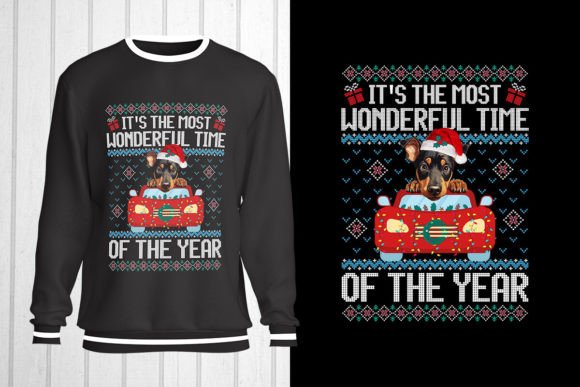
The visual mood of this design is instantly festive but grounded in a specific breed charm. The layout suggests a playful, slightly chaotic energy typical of an "ugly sweater" aesthetic, yet the lines are clean enough to translate well into thread. For a designer looking to add a touch of humor to their inventory, this file offers a unique angle. It moves away from the overused reindeer or Santa motifs and taps into the growing market of dog lovers who want something personalized and spirited. The shape of the Doberman is captured with enough detail to recognize the silhouette immediately, while the sweater elements provide texture without overwhelming the composition.
Real-World Application: From Screen to Stitch
I recently decided to test the Doberman Dog Christmas Ugly Sweater on a real-world scenario before committing it to a full production run. My goal was to create a limited edition line of holiday gifts for a local pet store client. I chose a heavy-weight cotton canvas tote bag as the base. Tote bags are a staple for Etsy sellers and craft fair vendors because they are versatile, but they present specific challenges regarding fabric stability and hoop size.
When I loaded the canvas into the hoop, the design felt balanced. The central placement of the Doberman allowed for a natural focal point. As the machine began to stitch, I monitored the satin stitch work on the outline of the dog's ears and the collar of the sweater. The density was manageable, preventing any puckering that often plagues larger designs on thinner materials. The contrast between the dark threads used for the dog's coat and the lighter, brighter threads for the sweater patterns created a pop that would catch the eye on a crowded shelf. Customers reacting to the finished product seemed to appreciate the specific breed choice; it felt more curated than a generic "dog in a sweater" design.
This same file could easily transition to other mediums. Imagine this stitched onto a baby onesie for a holiday photo prop. The softer fabrics of infant wear require a different approach to stabilizer, but the design's moderate complexity means it won't look cluttered on a small surface. Alternatively, placing it on a kitchen towel or a pillow cover adds a cozy, rustic feel to home decor. The versatility of the machine embroidery design allows it to fit seamlessly into custom apparel, sweatshirt embroidery, and even decorative accents like aprons for holiday baking sessions.
Where to Exercise Caution
While the design is robust, there are specific scenarios where you need to exercise caution. If you are planning to use this on a curved surface like a baseball cap, the geometry of the Doberman's body might not follow the curve of the brim perfectly. You would need to adjust the digitization or choose a smaller hoop size to avoid distortion at the edges. Similarly, attempting this on very thin or stretchy fabrics without adequate stabilizer could lead to warping, especially in the denser fill areas of the sweater pattern.
Dark fabrics present another consideration. While the design likely includes contrasting colors, the background of the sweater pattern needs to stand out against the garment color. If you are working with a black hoodie, you must ensure your thread selection provides enough lightness to make the details visible. In such cases, testing on scrap fabric is non-negotiable. You also want to be mindful of products that undergo frequent washing, like everyday t-shirts. The durability of the stitches will depend heavily on the quality of the thread and the tension settings, so a pre-test wash is essential to ensure the finished product holds up over time.
Visual Appeal and Brand Value
In the world of handmade goods, visual appeal directly correlates to perceived value. A well-executed design like Doberman Dog Christmas Ugly Sweater elevates the perceived quality of the item. When a customer sees crisp satin stitches and clear definition in the dog's features, they trust the maker. This builds brand consistency and fosters buyer engagement. For a small shop product or a digital listing, high-quality imagery of the embroidered result can significantly boost sales.
The design also carries emotional weight. It taps into the joy of the holidays and the affection people have for their pets. This makes it an ideal candidate for personalized gifts. Whether it is a custom patch for a denim jacket or a framed piece of art made from the stitched fabric, the item becomes a keepsake rather than just a commodity. For commercial embroidery projects, this file offers a way to differentiate your offerings from mass-produced items found in big-box stores. It signals to the customer that you put thought and care into every stitch.
Practical Designer Notes for Success
To get the most out of this file, I recommend starting with a rigorous testing phase. Always check the thread colors against your intended fabric. Sometimes a color looks vibrant on screen but gets lost once converted to thread. Review the stitch density to ensure it isn't too heavy for the material you are using. If the design feels too dense, consider reducing the fill percentage or adjusting the underlay, though this may require access to the source file.
Confirm your hoop size limitations early. If you are working on a large garment like a blanket, you may need to split the design or use a multi-hoop sequence. Inspect small details closely; sometimes tiny elements like the dog's eyes or buttons on the sweater can get lost if the thread count is too low. Using a printable mockup to visualize the final look on different garments can save you time and money before you ever load the fabric into the machine.
Finally, always verify your licensing terms. If you plan to sell the finished items, ensure the embroidery file grants commercial rights. Many designers offer personal use licenses only, which restricts selling the physical goods. Understanding these terms protects your craft business and ensures you are operating ethically. By following these steps, you can transform the Doberman Dog Christmas Ugly Sweater from a digital asset into a profitable, high-quality addition to your portfolio.
In conclusion, this design stands out as a strong contender for holiday collections. Its blend of humor, breed specificity, and festive charm makes it a versatile tool for digital product sellers and apparel decorators alike. With careful execution and attention to detail, it can become a signature piece in your lineup of handmade products.