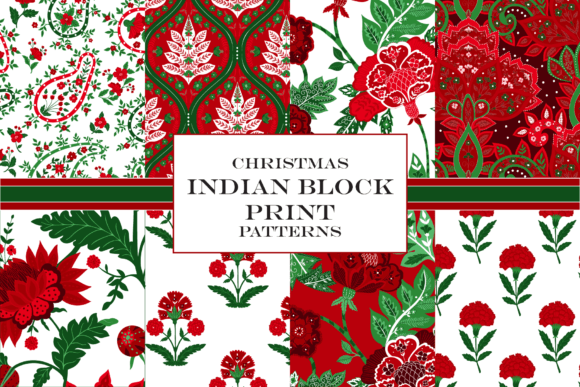
Christmas Block Print Patterns Indian Review
As a designer who has spent years testing embroidery files for both personal hobbies and commercial boutique lines, I approach every new download with a mix of excitement and skepticism. When I first opened the Christmas Block Print Patterns Indian file, I wasn't just looking at a shape; I was visualizing how it would translate from a digital vector into thread on fabric. The aesthetic immediately stood out because it moves away from the standard, overly glossy Santa imagery often found in generic holiday collections. Instead, this design taps into a specific, earthy warmth that feels authentic to traditional craftsmanship.
The mood created by Christmas Block Print Patterns Indian is one of rustic nostalgia. It evokes the feeling of a grandmother's kitchen during the holidays or a cozy village market where goods are hand-stamped and stitched with care. For an embroidery designer, understanding this "personality" is crucial because it dictates where the design belongs. It doesn't scream for attention like a neon graphic; rather, it whispers quality and heritage. This makes it an ideal candidate for projects targeting customers who value handmade authenticity over mass-produced perfection.
Real-World Application: From Screen to Stitch
To truly evaluate a design, you have to imagine it on a physical object. Let me walk you through a scenario I recently encountered while preparing for a holiday pop-up shop. I was working on a custom embroidered tote bag line for a local artisan market. The goal was to create something that felt unique but also practical for everyday use. I considered several options, but Christmas Block Print Patterns Indian caught my eye for its potential to elevate a simple canvas bag into a statement piece.
When I ran a test stitch on a heavy-duty cotton canvas, the block print style translated beautifully. The geometric nature of the pattern meant that the stitch density remained manageable, preventing the fabric from puckering—a common issue with dense fill stitches. The result was a clean, textured look that mimicked the original stamping technique. Customers walking through the booth didn't just see a Christmas bag; they saw a product with a story. The design added a layer of sophistication that allowed the tote to be priced higher than standard novelty items.
This same logic applies to other apparel categories. Imagine this design embroidered on the chest of a thick sweatshirt or the pocket of a durable apron. The block print aesthetic pairs exceptionally well with the texture of fleece or twill. It avoids the "plastic" look that can sometimes happen with satin-heavy designs on bulky fabrics. For small business owners selling custom apparel, this file offers a way to differentiate their brand. It suggests a connection to tradition, which resonates deeply with buyers looking for personalized gifts that feel thoughtful rather than generic.
Where to Exercise Caution
While the design has strong potential, no single file is a magic bullet for every situation. As an experienced reviewer, I need to point out where Christmas Block Print Patterns Indian might struggle if applied without consideration. The intricate details inherent in block print styles can sometimes get lost when the hoop size is too small. If you attempt to shrink this design down to fit a tiny patch or a baby hat, you risk losing the character that makes the design special. The fine lines may merge together, creating a muddy appearance that looks unintentional rather than artistic.
Fabric choice is another critical factor. While the design works wonders on stable, woven fabrics like canvas, denim, or linen, it requires careful handling on stretchy materials. Stretchy knits, such as those used for t-shirts or leggings, demand a stabilizer strategy that goes beyond the basics. Without proper support, the tension of the block print pattern could cause the fabric to distort, ruining the crisp edges of the design. Similarly, dark fabrics present a challenge. Unless you plan to use a high-quality underlay or white backing thread, the contrast might not pop enough to maintain the integrity of the pattern. In these cases, a lighter background or a strategic placement is essential.
Additionally, be mindful of curved surfaces like caps. While the design is versatile, the geometry of a block print relies on straight lines and defined corners. On a highly curved cap front, these elements can warp visually. It is often better suited for flat surfaces like pillow covers, tea towels, or the back of a jacket where the fabric remains relatively taut during stitching.
Visual Appeal and Product Value
In the world of Etsy sellers and craft business owners, the perceived value of a finished product is often tied directly to the quality of the design execution. A well-executed embroidery project signals professionalism and builds trust with the buyer. Christmas Block Print Patterns Indian contributes significantly to this perception. Its unique visual identity helps your products stand out in a crowded marketplace filled with repetitive holiday motifs.
When you present a handmade product featuring this design, you aren't just selling a gift; you are selling an aesthetic. The design allows for creative freedom in thread colors. You can stick to classic reds and greens for a traditional look, or experiment with muted earth tones, navy, and gold to create a more modern, boutique feel. This versatility means the design assets can serve multiple seasons and branding strategies. For instance, using a monochromatic thread palette can make the design suitable for year-round home decor, not just December.
The clarity of the stitching also impacts customer satisfaction. Because the design leans towards a stamped look rather than a photo-realistic image, it is forgiving of minor imperfections while still maintaining a high-end finish. This reliability is vital for commercial embroidery projects where consistency across hundreds of units is required. However, achieving this consistency starts with preparation.
Practical Designer Notes for Success
Before committing to a full production run or rushing into a client project, there are several steps every designer should take to ensure the best outcome. First and foremost, always test the design on scrap fabric that matches your final material. This allows you to assess how the fill stitch interacts with the grain of the cloth and whether the satin stitch edges hold up cleanly.
Check your stabilizer choice carefully. For a design with distinct lines like this, a cut-away stabilizer is often the safest bet to prevent distortion, especially on heavier garments. Inspect the small details in the design file itself; ensure there are no stray pixels or unnecessary jumps that could lead to thread breaks. If you are unsure about the file formats or specific machine compatibility, do not guess—verify these details with the provider before purchasing.
It is also wise to review the design in black and white mockups. Sometimes, color can distract from structural issues in the layout. Seeing the design in grayscale helps you understand the balance of negative space and positive stitch areas. Furthermore, confirm the licensing terms explicitly. If you intend to sell finished items, you need to know if the license covers commercial use. Many designers overlook this step, only to face legal hurdles later. Ensure you have the right permissions to use Christmas Block Print Patterns Indian for digital product previews or physical merchandise.
Ultimately, Christmas Block Print Patterns Indian is a powerful tool for any designer looking to add depth and character to their holiday collection. By respecting the nuances of the design and following sound embroidery practices, you can transform a simple digital file into a cherished part of someone's holiday traditions. Whether you are creating a tote bag design for a festival or a set of kitchen towels for a boutique, this pattern offers the perfect blend of festive cheer and timeless style.