Christmas Shabby Papers: A Review for Patterns and Commercial Use
As a digital product creator who has spent years navigating the competitive landscape of Etsy, Creative Fabrica, and print-on-demand platforms, I approach every new asset with a mix of excitement and skepticism. Today, I am evaluating Christmas Shabby Papers, a graphic design asset that promises to bring a specific vintage charm to seasonal collections. Before adding this to my inventory or using it in client projects, I needed to determine if it truly fits the needs of modern sellers and creative entrepreneurs.
First Impressions and Market Niche
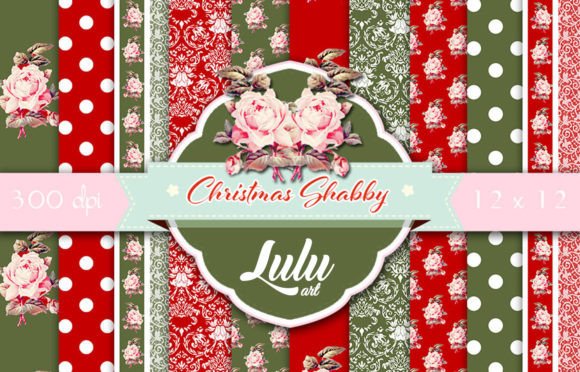
The moment I opened the folder, the visual personality of these Patterns became clear. This is not a collection of bold, neon, or hyper-modern designs. Instead, Christmas Shabby Papers exudes a rustic, feminine, and slightly worn aesthetic. It appeals directly to buyers who love cottagecore vibes, farmhouse decor, and nostalgic holiday memories. The texture feels authentic rather than digitally flat, which is a crucial detail for anyone selling premium digital products.
For an experienced seller, this distinction matters immensely. If your brand identity relies on clean lines and minimalist corporate aesthetics, this might not be the right fit. However, if you target audiences interested in handmade business goods, cozy winter themes, or elegant invitations, this asset offers immediate value. It creates a mood of warmth and tradition that resonates deeply during the Q4 shopping season.
Real-World Application for Sellers
In my own workflow, I do not just buy assets; I test them against potential revenue streams. Here is how I envision integrating Christmas Shabby Papers into various sellable categories:
- Printable Wall Art and Planners: The textured background works beautifully as a base for printable wall art. You can layer typography over these papers to create instant festive quotes or monthly planner stickers. The shabby style adds depth that prevents the design from looking too sterile.
- Sublimation and T-Shirt Designs: For print-on-demand sellers, these papers are excellent for creating distressed t-shirt graphics. When combined with a script font, they mimic the look of a hand-painted vintage poster. They also work well for mug designs and tote bag prints where a soft, retro feel is desired.
- SVG and Cricut Projects: While these are primarily raster patterns, they often come with vector elements. If included, they can serve as decorative borders for Cricut projects. Just ensure the cut quality is sharp enough for intricate vinyl layers.
- Canva Templates: Digital designers can use these as background layers for social media templates, blog headers, or wedding invitation layouts. They instantly elevate the perceived value of a Canva template by adding a professional, curated texture.
- Commercial Packaging: Small business owners selling physical goods like candles or cookies can use these for custom packaging inserts. A commercial license allows you to use these design assets to enhance unboxing experiences.
Enhancing Product Presentation and Listings
One of the biggest challenges in online selling is capturing attention within seconds. High-quality product mockups are essential for click-through rates. Using Christmas Shabby Papers in your listing images can significantly boost the visual hierarchy of your shop.
Imagine creating a thumbnail for a bundle of Christmas greeting cards. Placing the card on top of one of these textured papers immediately suggests a tactile, high-quality experience. It tells the customer, "This isn't just a flat image; it's a premium design." Furthermore, consistency is key. If you use this specific paper across all your December listings, you build a cohesive brand identity that customers recognize instantly.
When designing your listing images, consider pairing these papers with strong contrast. Since the papers have a busy, textured nature, they should support the main product, not overpower it. Use them to frame your Etsy product photos or as a backdrop for your digital download previews.
Strategic Usage and Potential Pitfalls
While this asset is versatile, there are scenarios where it requires careful handling. Understanding these limitations will save you from negative reviews and returns.
- Avoid Tiny Details: Do not attempt to use these papers for tiny sticker details or very small icons. The texture can become muddy when scaled down, losing its definition. Save them for larger formats like posters, large mugs, or full-page backgrounds.
- Check Resolution Carefully: Always verify the file resolution before printing. Low-resolution printable designs will appear pixelated, especially on large format items like wrapping paper or canvas prints. Ensure the PNG design files are 300 DPI or higher for commercial print use.
- Text Legibility: Avoid placing text-heavy content directly on the busiest areas of the pattern. If you need a clean cutting line for a Silhouette project, ensure the pattern does not interfere with the cut path. Sometimes, a solid color overlay is necessary to make text readable.
- Dark Backgrounds: Test the transparency carefully. If the paper has a white border or a light center, it may clash with dark product mockups. Check how it looks on both white and dark backgrounds to ensure the visual storytelling remains consistent.
Practical Seller Notes for Testing
Before publishing any listing featuring Christmas Shabby Papers, I recommend running a rigorous testing phase. This step separates amateur shops from professional marketplaces.
Mockup Testing: Create at least three different mockup scenarios. Place the design on a coffee mug, a framed print, and a digital tablet screen. This helps you visualize how the texture translates across different mediums.
Font Pairing: Typography makes or breaks a design. These papers pair exceptionally well with serif fonts for a classic look or handwritten fonts for a personal touch. Avoid overly modern sans-serif fonts unless you are aiming for a specific contrast effect. Experiment with display fonts to see what captures the essence of the shabby chic style.
Licensing Verification: Never assume a commercial license covers everything. Read the terms carefully. Does it allow you to sell finished products? Can you modify the colors? Confirming these details protects your small business branding from legal issues.
File Organization: Organize your files clearly for your future customers. If you are reselling this as part of a design bundle, include a readme file explaining how to use the textures effectively. Clear instructions reduce customer support inquiries and increase satisfaction.
Final Verdict for the Seasonal Shop
Christmas Shabby Papers is a valuable addition to any designer's toolkit, particularly for those focusing on rustic, vintage, or handmade aesthetics. It offers a distinct visual language that stands out in a sea of generic clipart. Whether you are creating social media graphics, preparing a seasonal collection, or designing merchandise for a creative marketplace, this asset provides the texture and depth needed to elevate your work.
By treating it as a foundational element rather than a standalone graphic, you can unlock its full potential. Test it thoroughly, respect its limitations regarding resolution and scale, and integrate it thoughtfully into your product line. With the right strategy, Christmas Shabby Papers can help you build a more professional-looking online product collection that drives sales and builds trust with your audience.