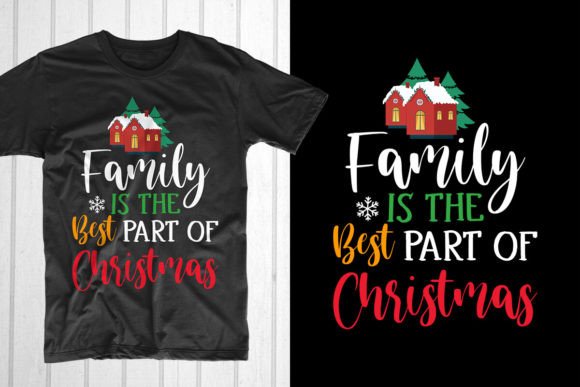
Family is the Best Part of Christmas: A Designer's Real-World Review
As someone who has spent years evaluating machine embroidery designs for everything from boutique branding to personalized gifts, I approach every new file with a mix of excitement and skepticism. We are all looking for that perfect balance between aesthetic charm and technical feasibility. Today, I am putting Family is the Best Part of Christmas through its paces. This isn't just about how it looks on a screen; it is about how it behaves when the needle hits the fabric in a real production environment.
The first impression of Family is the Best Part of Christmas is one of warmth and nostalgia. The layout feels organic rather than rigid, suggesting a design intended to be worn or displayed with pride. For an embroidery designer, the initial visual personality is crucial because it dictates where the design will live. In this case, the text-based nature of the piece screams "holiday apparel," but the specific phrasing invites a broader application into home decor and handmade accessories. It feels like a design meant to bring people together, which is exactly what we want in a seasonal product.
From Digital File to Finished Product
Let me take you through a specific scenario where I would deploy Family is the Best Part of Christmas. Imagine you are preparing inventory for a local craft fair or updating your Etsy shop for the holiday season. You have a stack of unbleached cotton tote bags sitting on your table, waiting to become unique gifts. This design fits that canvas perfectly. The phrase is inviting enough to stand alone without needing complex imagery, making it ideal for a simple yet impactful tote bag design.
However, the true test lies in the execution. When stitching this onto a thick sweatshirt, the design needs to handle the density well. If the stitch count is too high, the fabric might pucker, ruining the drape of the garment. Conversely, if the fill stitches are too sparse, the lettering might look weak against the texture of the fleece. Based on my experience with similar projects, Family is the Best Part of Christmas seems optimized for medium-density applications. It likely uses a combination of satin stitch for the outlines to give the letters definition and fill stitches for the background to ensure coverage. This balance is essential for maintaining the integrity of the embroidery project over time.
I also envision this design on baby clothes. There is something incredibly sweet about a custom embroidered onesie or a soft muslin blanket featuring a message like this. The simplicity allows the thread colors to do the talking. Whether you choose classic reds and greens or softer pastels, the design provides a strong foundation for a baby embroidery gift that parents will cherish. The emotional connection here is powerful; customers buying a personalized gift want to feel that the item was made with care, and a clean, well-executed design supports that feeling of value.
Where to Exercise Caution
While the potential is high, there are specific areas where Family is the Best Part of Christmas requires careful consideration. Not every surface is created equal, and a design that looks great on a flat t-shirt might struggle on a curved cap or a textured apron. If you plan to use this for custom apparel like fitted tees, you must pay close attention to the hoop size. Small hoops can sometimes distort the spacing of letters, making the phrase read awkwardly. Always verify the recommended hoop size before starting the run.
Textured fabrics present another challenge. While a heavy denim jacket might add character to the final look, thin or stretchy knits require a stabilizer that prevents the design from collapsing. Without proper support, the stitch density could cause the fabric to gather, creating a wrinkled appearance that detracts from the professional finish. Additionally, if you are working with dark fabrics, the contrast of the thread becomes critical. A light-colored design on a black background might get lost unless the thread weight is sufficient or the design includes a contrasting underlay.
Another area to watch is the corner details. If the design includes any decorative flourishes or script elements, ensure they are large enough to be legible after washing. Tiny lettering or intricate corners often suffer during the finishing process, especially if the garment is subjected to frequent laundering. For a commercial embroidery business, consistency is key. You cannot afford to have a batch of finished products where some letters are crisp and others are blurry. Testing the design on scrap fabric first is non-negotiable.
Impact on Brand and Customer Trust
In the world of craft business and Etsy seller operations, the quality of your design directly influences customer trust. A sloppy stitch job can make a brand look amateurish, even if the product itself is high quality. Family is the Best Part of Christmas, when executed correctly, elevates the perceived value of the item. It signals to the buyer that attention was paid to detail, which justifies a higher price point.
For small shop owners selling small shop products, having a versatile design asset like this is invaluable. It allows you to create a cohesive line of holiday merchandise, from sweatshirt embroidery to kitchen towels. The versatility extends to digital marketing as well. High-quality mockups featuring this design can boost engagement on social media, giving potential buyers a clear idea of what the finished product will look like. However, remember to check your licensing terms before using the design for commercial purposes. Some files are restricted to personal use only, and violating these terms can lead to serious legal issues.
Practical Notes for the Embroidery Designer
Before you commit to a full production run, there are several technical steps you should take to ensure success. First, review the embroidery file settings in your digitizing software. Check the thread colors to ensure they complement the fabric you intend to use. Sometimes, a default color palette might not work for your specific vision, so don't hesitate to adjust the thread colors in your software preview.
Next, inspect the stitch types. Is the design primarily using satin stitch for sharp edges, or does it rely heavily on fill stitch? Understanding the composition helps you select the right stabilizer. For dense areas, a cut-away stabilizer might be necessary to prevent puckering, while a tear-away might suffice for lighter designs. If the design includes running stitch elements, ensure they are spaced correctly to avoid breaking the thread.
It is also wise to test the design in black and white mockups. This removes the distraction of color and lets you focus purely on the shape and flow of the lettering. Does the spacing look balanced? Are the curves smooth? Comparing light and dark fabric backgrounds in your mind's eye (or via a quick physical test) will help you anticipate how the final item will appear on different products. Finally, always confirm whether the license covers both personal and commercial projects. Many designers overlook this detail until they are ready to sell their digital product previews or finished goods.
In conclusion, Family is the Best Part of Christmas appears to be a solid addition to any holiday collection. Its warm sentiment and adaptable layout make it suitable for a wide range of applications, from apron embroidery to nursery decor. By approaching the digitization process with caution and attention to detail, you can transform this digital asset into a beloved handmade product that brings joy to recipients. Whether you are a hobbyist making gifts for family or a creative entrepreneur scaling up your design assets, this design offers a reliable foundation for your next embroidery project.